
Virtual reality has finally crossed the threshold from novelty to a genuine play space, and for Australians curious about digital table games, that shift matters. When I first walked a Sydney casino floor two decades ago, the rhythm was all about physical cards, felt tables, and the quiet hum of a busy arvo. Today, vr casino blackjack attempts to replicate that tactile cadence inside a headset, and the promise is compelling enough to warrant a proper look. The experience hinges on lobby navigation, dealer presence, and how well the software handles betting rounds without dragging. I’ve spent years balancing social mechanics with real-money integrity across land-based and iGaming products, so I approach this format with a clear eye on what actually serves a player versus what merely looks impressive.
The Lobby and Game Catalog
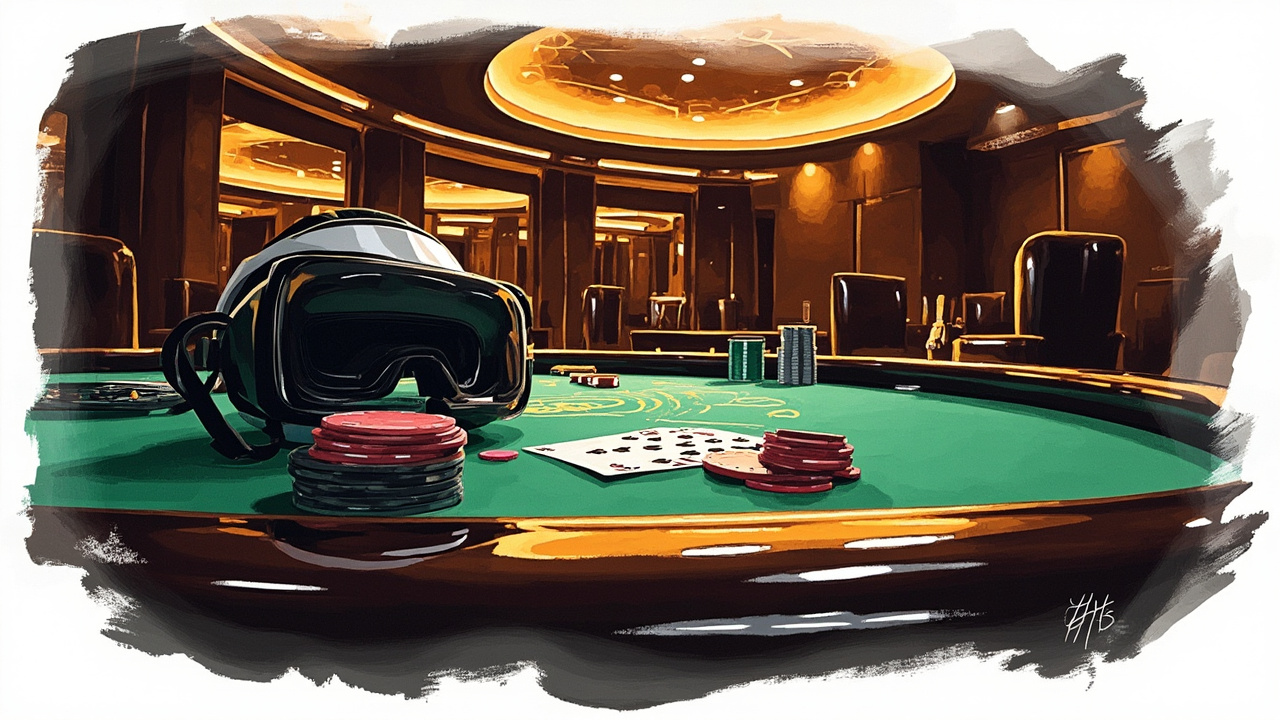
A strong lobby does more than display thumbnails; it sorts content by rhythm, stake range, and provider so you aren’t scrolling through irrelevant titles. In this space, the game mix leans toward classic blackjack variants alongside a handful of side-bet tables, with a few providers offering multi-hand layouts and adjustable rule sets. The search function should let you filter by dealer style, deck count, and minimum bet, rather than forcing you to open every room to find a sensible table. I’ve seen lobbies that prioritise flashy animations over clear organisation, and that approach burns time when you simply want a quiet round. A well-structured catalog groups live-dealer tables separately from solo practice modes, keeps provider branding visible without cluttering the screen, and surfaces stake limits upfront. If the lobby muddles discovery, the headset becomes a burden rather than a tool, and that’s the first thing I check when assessing any digital casino product.
Dealer Presence and Table Mechanics
The core of vr casino blackjack lives in how the dealer moves, speaks, and handles the shoe. A convincing table needs consistent card animation, clear chip tracking, and a betting window that doesn’t lag behind your hand gestures. I’ve directed social table games where we tuned hit-stand timing to match real dealer cadence, and that same discipline matters here: the round should feel measured, not rushed. Good implementations show the shoe clearly, let you pick up or place chips with a steady motion, and keep the dealer’s commentary restrained enough that you can actually hear the shuffle. When the mechanics stumble, you notice it immediately – the cards clip through the table, the bet confirmation feels tardy, or the round resets before you’ve settled your posture. A polished table respects the pace of a physical game while keeping the interface light enough that you’re not fighting the hardware between decisions.
Player-Fit Scenarios
This format suits a few specific play styles better than others. If you’re after a quiet session after work, a solo practice table with adjustable stakes lets you run through basic strategy without the noise of a crowded room. For someone who prefers a social rhythm, a live-dealer room with voice chat and visible opponent seats can recreate the low-key camaraderie of a regional New South Wales club night, though the quality of that interaction depends entirely on how the lobby manages table occupancy and mute controls. I’d caution against treating the headset as a shortcut to faster payouts or looser rules; the software still follows standard blackjack maths, and the virtual setting doesn’t alter the house edge. Andrew Murray, Responsible Gambling Adviser at Harbour Bet Insights, has noted that immersive formats can blur the line between practice and play, so setting a clear session limit before you put the headset on remains sensible. The right scenario is the one that matches your pace, not the one that dazzles you for ten minutes and then feels hollow.
Payments, Registration, and Support
Getting into a table should be straightforward, but the registration flow still needs to handle identity checks, geo verification, and currency selection without turning into a maze. A sensible setup asks for the basics, confirms your location, and lets you choose Australian dollars before you place a first bet, with clear limits displayed alongside any bonus terms. I’ve built onboarding flows that prioritise transparency over speed, and that same principle applies here: you want to see wagering requirements, table limits, and withdrawal windows before you commit, not after. Support should be reachable through a simple in-headset menu or a paired mobile screen, with staff who understand the specific quirks of virtual table software rather than reading from a generic script. Loyalty features can add a modest points layer for regular sessions, but they shouldn’t obscure the underlying terms or push you toward stakes you hadn’t planned. When the payment and support layer is tidy, the headset stays focused on the cards instead of the paperwork. casoola for aussies
If you’re weighing whether this format fits your play habits, the clearest test is simple: put the headset on for a short session, check how the lobby sorts tables, watch how the dealer handles a full round, and decide whether the pace matches your own. The right environment for vr casino blackjack is the one that keeps the game readable, the stakes visible, and the session under your control, rather than one that leans on spectacle to carry the experience.